Coldharbour Lane bulky rubbish removal tips
If you live, work, or manage a property near Coldharbour Lane, bulky rubbish has a way of piling up at the worst possible moment. A broken wardrobe, a sagging sofa, an old mattress leaning in the hallway, a pile of builder's offcuts after a quick refurb - it all looks harmless until you try to move it. Then you realise the stairs are tight, the parking is awkward, and the item is heavier than it looked five minutes ago. These Coldharbour Lane bulky rubbish removal tips are here to make that job safer, faster, and far less stressful.
In this guide, you'll find practical advice on what counts as bulky waste, how to prepare items properly, how to avoid common mistakes, and when it makes sense to use a professional clearance service. You'll also get a realistic look at the logistics around sorting, lifting, recycling, and getting everything out of the way without turning your Saturday into a minor disaster. Truth be told, that last part matters more than most people expect.
Table of Contents
- Why Coldharbour Lane bulky rubbish removal tips Matters
- How Coldharbour Lane bulky rubbish removal tips Works
- Key Benefits and Practical Advantages
- Who This Is For and When It Makes Sense
- Step-by-Step Guidance
- Expert Tips for Better Results
- Common Mistakes to Avoid
- Tools, Resources and Recommendations
- Law, Compliance, Standards, or Best Practice
- Options, Methods, or Comparison Table
- Case Study or Real-World Example
- Practical Checklist
- Conclusion
- Frequently Asked Questions
Why Coldharbour Lane bulky rubbish removal tips Matters
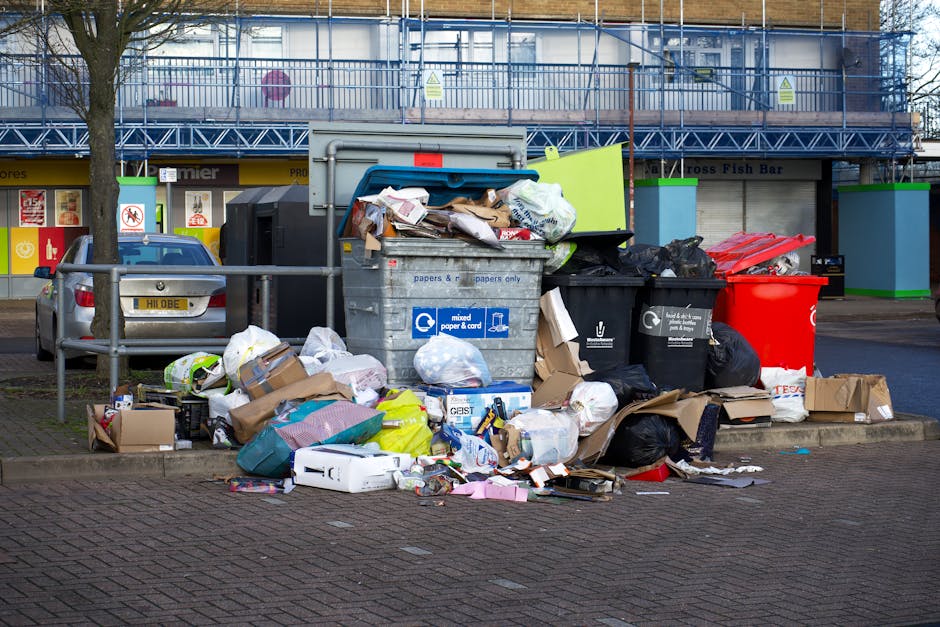
Bulky waste is different from day-to-day household rubbish. It takes up space, is harder to move safely, and often needs a bit of planning before it can leave the property. On a busy stretch like Coldharbour Lane, that planning becomes even more important because access can be tight, street parking may be limited, and you may be working around neighbours, shared entrances, or shopfronts.
The biggest reason this matters is simple: bad handling causes problems. A heavy item dragged down a narrow stairwell can damage walls, floors, or your back. A pile left outside too long can become an eyesore or attract complaints. And items put out in the wrong way may not be collected at all. Not ideal, obviously.
There's also the environmental side. Not every bulky item should be treated the same. Some pieces can be reused, some can be dismantled for recycling, and some may require separate handling because of contamination, wiring, upholstery, or mixed materials. A more thoughtful approach usually leads to less waste and a cleaner outcome.
Expert summary: The best bulky rubbish removal approach is rarely the fastest-looking one. It's the one that combines safe lifting, good sorting, sensible timing, and the right disposal route for the item.
If you are planning a wider clear-out, it can help to think beyond the single item in front of you. A one-room refresh often turns into a bigger project, and services such as home clearance or house clearance may be more efficient than handling every bulky item separately.
How Coldharbour Lane bulky rubbish removal tips Works
At a practical level, bulky rubbish removal is the process of identifying large items, preparing them for safe movement, and arranging the most suitable collection or disposal method. The details depend on what the item is, how much there is, and where it's coming from. A sofa in a ground-floor flat is one thing; a wardrobe from a top-floor room with a tight turning staircase is another entirely.
The process usually follows a few broad stages:
- Assess the item. Check its size, weight, material, and whether it can be dismantled.
- Clear a route. Remove trip hazards, open doors, and make sure stairwells or corridors are usable.
- Separate and sort. Keep reusable, recyclable, and landfill-bound materials apart where possible.
- Move carefully. Use proper lifting techniques and the right number of people for the job.
- Dispose responsibly. Choose the correct collection method or service, then confirm where the waste will go.
For mixed loads - say, old furniture, broken shelving, and leftover renovation bits - it can be helpful to combine bulky item removal with a broader waste removal plan. That reduces repeated trips and keeps the whole thing more manageable.
One thing people often underestimate: bulky rubbish removal is as much about preparation as it is about lifting. Get the prep right and the rest becomes easier. Get it wrong and everything slows down, usually at the point when you're already tired.
Key Benefits and Practical Advantages
Good bulky waste planning pays off in several ways. The obvious benefit is that you clear space. The less obvious benefit is that you do it without turning the job into a mini construction site.
- Safer handling: Less chance of injury, scuffed walls, dropped items, or trapped fingers.
- Faster clearance: A clear route and sorted items save time on collection day.
- Better reuse and recycling: Items can be separated into what can be passed on, repaired, or recycled.
- Less disruption: Neighbours, tenants, staff, and visitors face less mess and noise.
- More predictable costs: When items are assessed properly, quotes and plans are easier to understand.
There's also a surprisingly big mental benefit. A cluttered flat or premises can make everything feel harder. Once the bulky stuff is gone, the space looks lighter, quieter almost. You notice the difference straight away. It sounds simple because it is simple, but that doesn't make it less valuable.
For certain projects, especially when old seating, tables, wardrobes, or cabinets are involved, it may be worth reviewing furniture clearance or furniture disposal options. Those services are often a better fit than trying to force everything into standard bin collections.
Who This Is For and When It Makes Sense
Bulky rubbish removal is relevant to more people than you might think. It's not just for people moving house or doing a big renovation. In everyday Brixton life, it crops up all the time.
This guide is especially useful if you are:
- Clearing out a flat after tenants move on
- Replacing old furniture in a home or office
- Emptying a garage, loft, or spare room
- Dealing with post-renovation debris that is too large for normal disposal
- Preparing a property for sale or letting
- Managing waste from a small business or shared workspace
- Trying to avoid lifting injuries or damage in a narrow property layout
For example, a landlord with a top-floor flat off Coldharbour Lane may only need a few bulky items removed, but the access issues can make that job feel much bigger than it looks on paper. Meanwhile, a shop or office may be dealing with desks, shelving, packaging, and general clutter in one go, which points more toward office clearance or business waste removal.
So when does it make sense to hire help? Usually when the items are heavy, awkward, numerous, time-sensitive, or too awkward for your building layout. If any of those sound familiar, you are already in the zone where a professional service may save you more hassle than it costs.
Step-by-Step Guidance
Here's a practical way to handle bulky rubbish without making life harder than it needs to be.
1. Walk the route first
Before touching the item, look at the route it needs to take. Measure door widths if necessary. Check for turns, low ceilings, loose rugs, cluttered hallways, and awkward stair corners. A quick five-minute scan can prevent a very annoying thirty-minute struggle.
2. Decide whether the item can be dismantled
Many large items become manageable once broken down. Wardrobes, beds, desks, and flat-pack furniture often come apart with a screwdriver, Allen key, or drill. Keep fixings in a labelled bag so you are not hunting for random bolts later.
3. Sort items by material and condition
Separate reusable items from damaged ones. Keep wood, metal, textiles, and mixed waste apart where practical. If a mattress, sofa, or upholstered chair is heavily worn, you'll want a disposal route that fits the item rather than just dumping it into a general pile.
4. Prepare the item for removal
Remove drawers, glass shelves, cushions, and loose parts. Tape doors shut if needed. Wrap sharp edges or glass carefully. If the item is dirty, dusty, or has loose components, contain it a bit before moving. Your floors, and your lungs, will thank you.
5. Protect walls and flooring
Use blankets, cardboard, or old sheets along the route. It is not glamorous, but it works. In narrow hallways and stairwells, small protective steps can prevent the kind of scrapes that are irritating for weeks afterwards.
6. Use proper lifting technique
Keep the item close to the body. Bend your knees, not your back. Lift in a controlled way and communicate clearly with the other person if you're working in a pair. If an item feels too heavy or unstable, stop. That's not failure. That's good judgment.
7. Load and dispose responsibly
Once the item is outside, make sure it goes to the right place. If you are using a clearance provider, ask how they handle recycling and sorting. If you're handling it yourself, confirm the disposal route before setting anything down. Half-finished plans tend to create clutter at the kerb, and nobody enjoys that.
If your bulky rubbish is part of a larger clearance, services such as garage clearance, loft clearance, or flat clearance may fit better than piecemeal removal. The trick is matching the method to the mess, not the other way around.
Expert Tips for Better Results
A few small habits make a big difference. These are the sort of things you only really appreciate after doing the job a few times.
- Start with the awkward item first. If one piece is especially heavy or bulky, move it while you still have energy.
- Keep screws and fittings together. A simple freezer bag and marker pen can save a lot of frustration.
- Work in daylight where possible. Poor lighting makes corners, steps, and protruding handles harder to judge.
- Don't overload your own capacity. If you need a second person, get one. Heroics are overrated.
- Clear the destination as well as the route. It helps to know where items are going before the last minute.
- Ask about recycling up front. A responsible operator should be able to explain what happens to different material streams.
In our experience, the best results come from treating bulky rubbish as a sequence of small decisions, not one giant task. That might sound obvious, but it's easy to forget when you're staring at a sofa that suddenly feels like a small truck.
If the job involves damaged seating or old domestic furnishings, furniture disposal can be a useful route because it focuses attention on the item type rather than just the volume.
Common Mistakes to Avoid
Most bulky waste problems are avoidable. The trouble is, the mistakes usually happen when people are rushing or assuming the item will be easier than it is.
- Leaving the route until last. That is how scuffed paint, bruised shins, and shouted instructions happen.
- Underestimating weight. A compact item can still be awkwardly dense or badly balanced.
- Forgetting hidden parts. Beds, desks, and cabinets often have bolts, slats, glass, or internal fittings that need removing.
- Mixing everything together. Recyclable parts become harder to separate later.
- Putting waste outside too early. If it sits out overnight, it may block access or invite complaints.
- Ignoring building rules. Shared properties often have extra expectations around timing, noise, and communal areas.
Another common mistake is assuming every bulky item can go through the same disposal path. It can't, not really. A garden bench, an office chair, and construction offcuts all have different disposal considerations. That's why it's worth checking whether your load is more suited to builders waste clearance, garden clearance, or a broader domestic service.
And yes, people do sometimes forget to clear the front door before trying to move the wardrobe. We've all seen that moment. Not pretty.
Tools, Resources and Recommendations
You do not need a warehouse of equipment to handle bulky rubbish well. A small, sensible kit is usually enough.
| Tool or item | Why it helps | Best for |
|---|---|---|
| Work gloves | Improves grip and reduces cuts or splinters | General handling and loading |
| Blankets or old sheets | Protects walls, floors, and furniture while moving items | Narrow hallways and staircases |
| Screwdriver / Allen keys | Helps dismantle furniture and remove fixings | Beds, wardrobes, desks |
| Tape and marker pens | Keeps parts and fixings organised | Flat-pack and modular furniture |
| Dolly or sack truck | Reduces manual carrying where surfaces allow it | Heavier items with safe rolling routes |
| Heavy-duty bags or tubs | Contains smaller mixed components | Hardware, fittings, loose parts |
As a recommendation, start with what you already have before buying specialist gear. For many household jobs, a reliable screwdriver, a couple of blankets, and a clear plan are enough. If the job expands, then bring in more support rather than trying to improvise with sore arms and hope.
For property-based clearances, it can also help to review service pages such as home clearance and house clearance so you can decide whether one-off bulky removal or a full clearance is the smarter route.
Law, Compliance, Standards, or Best Practice
When dealing with bulky rubbish in the UK, you should be careful about how and where items are disposed of. The key point is straightforward: waste should be managed responsibly, and you should avoid leaving items in a way that creates hazards, obstruction, or nuisance.
Best practice usually includes the following:
- Use a properly traceable waste carrier or clearance service where appropriate.
- Keep records or confirmation for business or landlord-related clearances.
- Separate hazardous or specialist items from general bulky waste.
- Do not obstruct pavements, entrances, or shared access routes.
- Take extra care in communal buildings where neighbours rely on clear access.
If you're a landlord, tenant, or business owner, it's wise to understand your own responsibilities before placing anything out for collection. The exact duties can vary by situation, and if something feels unclear, ask questions early. Better that than sorting out a complaint later on a damp Wednesday, which nobody wants.
For providers, good practice also includes clear pricing, secure handling, and responsible recycling. Pages such as pricing and quotes, payment and security, and recycling and sustainability are useful signals of how a service approaches the job beyond simply loading a van.
Options, Methods, or Comparison Table
There's more than one way to deal with bulky rubbish. The right choice depends on time, access, quantity, and how much effort you want to spend.
| Method | Best for | Pros | Trade-offs |
|---|---|---|---|
| Self-removal | Small items, good access, light loads | Control over timing, can be cost-effective | Labour-heavy, risk of damage or injury |
| Kerbside collection setup | Simple one-off items where local arrangements allow it | Convenient if rules are clear | Timing and placement must be right; not suitable for every item |
| Professional bulky waste collection | Heavy items, awkward access, multiple items | Faster, safer, less disruption | Usually costs more than doing it yourself |
| Full property clearance | Large-scale clear-outs or multiple waste types | Efficient for bigger jobs | More planning needed, especially for access and sorting |
To be fair, the cheapest option on paper is not always the cheapest in real life. One damaged wall, one strained back, or one failed collection can wipe out the savings pretty quickly. Sometimes the better value is the quieter, simpler option.
Case Study or Real-World Example
Imagine a second-floor flat near Coldharbour Lane with a damaged sofa, a broken coffee table, and an old wardrobe that has seen better days. The occupants want the place cleared before new flooring is fitted the next morning. The hallway is narrow, there's a tight bend at the stair landing, and parking outside is limited.
The first step is a route check. The wardrobe is partly dismantled, the sofa cushions are removed, and the coffee table is wrapped so it doesn't scrape the wall. Fixings are bagged and labelled. The team moves the smallest awkward item first, because it's the easiest way to make room and reduce stress. By the time the larger item comes down, the route is protected and the job feels much more controlled.
What made the difference? Not brute force. Planning. A little patience. And, honestly, not trying to improvise at the point of lifting something too heavy for one person. That's usually where jobs go sideways.
For a similar situation, the property owner might have been fine with a targeted flat clearance rather than calling for a broad household service. The correct choice depends on the scale of the mess, not just the number of items.
Practical Checklist
Use this quick checklist before bulky rubbish leaves the property.
- Identify each bulky item and note its size, weight, and condition
- Check whether the item can be dismantled safely
- Clear the route from room to exit
- Protect floors, corners, and walls
- Separate reusable, recyclable, and mixed materials
- Gather tools, gloves, tape, and bags for fixings
- Confirm who is lifting, carrying, and loading
- Plan where the waste will go before moving it outside
- Keep communal areas clear and tidy
- Double-check timing, access, and any property rules
If you are dealing with a bigger job or a mixed load, it may also be worth looking at garage clearance or loft clearance if the bulky waste is coming from storage-heavy areas. Those spaces often hide more than one problem item.
Small note, but an important one: if an item feels unsafe to move, stop there. There is no prize for proving you can wrestle a wardrobe down a staircase.
Conclusion
Coldharbour Lane bulky rubbish removal does not need to be messy, risky, or overwhelming. With a bit of preparation, the right tools, and a sensible disposal plan, you can clear space without creating new problems for yourself or everyone else in the building.
The key is to treat bulky waste as a logistics job, not just a lifting job. Measure first, sort carefully, protect the route, and choose the disposal method that fits the item and the setting. That approach usually saves time, reduces stress, and gives you a much cleaner result.
If your clear-out is growing beyond a couple of items, or if access is awkward, it may be easier to bring in help from a service that understands the practical side of clearance work. A well-planned removal is often the difference between a long afternoon and a smooth one.
Get a free quote today and see how much you can save.
And once the bulky stuff is gone, the space tends to feel better almost immediately. Quietly better. The kind of better you notice when you walk in with a cup of tea and suddenly the room can breathe again.
Frequently Asked Questions
What counts as bulky rubbish on Coldharbour Lane?
Bulky rubbish usually means items too large or awkward for normal household waste collection, such as sofas, wardrobes, mattresses, tables, shelving, or mixed large items from a clear-out.
Can I leave bulky items on the pavement for collection?
Only if the item is being handled in a way that is allowed and properly timed. Leaving items out too early, or in a way that blocks access, can create problems. It's best to check the collection approach first.
What is the safest way to move heavy furniture?
Use two people where possible, clear the route, dismantle the item if you can, and keep the load close to the body. If something feels too heavy or unstable, stop and rethink the plan.
Should I dismantle furniture before removal?
Usually, yes, if it can be done safely. Dismantling often makes large items easier to carry and less likely to damage walls, doors, or stairwells.
How do I know whether I need a full clearance or just bulky item removal?
If you have only a few large items, targeted bulky item removal may be enough. If the room, flat, garage, or loft is full of mixed clutter, a broader clearance service is often more efficient.
What should I do with items that could be reused?
Separate reusable items early so they are not mixed with damaged waste. That makes donation, resale, or reuse simpler and usually cleaner.
Are there special rules for furniture and mattresses?
Yes, in practice furniture and mattresses often need careful handling because of size, materials, and disposal requirements. They should not just be treated like general rubbish.
How can I avoid damaging my flat or staircase?
Protect corners and floors with blankets or cardboard, remove loose parts, and plan the route before moving anything. A few minutes of prep can save a lot of repair work later.
What if the bulky rubbish is part of renovation debris?
Then the waste may be better handled as builders waste rather than general household rubbish. Mixed renovation loads often need a more structured approach.
Is professional bulky rubbish removal worth it?
If the item is heavy, access is awkward, or you have several things to remove, professional help often saves time and lowers the risk of injury or damage. It's a practical trade-off, not just a convenience.
How do I choose a trustworthy clearance provider?
Look for clear pricing, sensible communication, attention to safety, and a responsible approach to recycling and disposal. Pages like about us and insurance and safety can help you judge how a business operates.
What's the best first step if I feel overwhelmed by the amount of rubbish?
Start with one room or one category of item. A small win usually creates momentum. Once you've sorted the first bulky item, the rest becomes much less intimidating.