Rubbish collection challenges on Angell Town estate Brixton
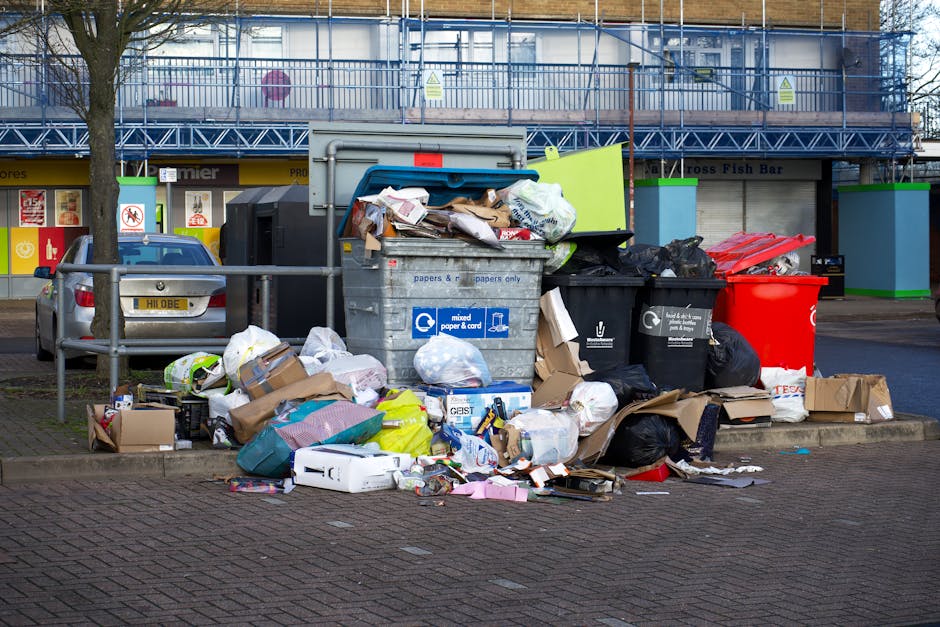
If you live on or near Angell Town estate, you will know rubbish collection can be one of those small everyday things that turns into a surprisingly big headache. Missed lifts, awkward access, bulky items left by bin stores, and fly-tipping around shared spaces all create friction fast. This guide looks at the real rubbish collection challenges on Angell Town estate Brixton, why they happen, and what residents, landlords, and local businesses can do about them without making life harder than it already is.
Let's face it: rubbish is never just rubbish in a dense estate environment. It affects how people feel about their block, how safe the walkways look at night, whether bins attract pests, and how easy it is for everyone to keep shared spaces usable. Below, you'll find a practical breakdown of the problem, plus step-by-step guidance, comparison advice, and a checklist you can actually use.
Why Rubbish collection challenges on Angell Town estate Brixton Matters
On an estate like Angell Town, waste management is more than a tidy-up job. It shapes the day-to-day experience of shared living. When collection systems are strained, you tend to see the same problems return: bins left overflowing, bags placed beside containers, bulky furniture blocking access, and litter blowing into corners where no one wants to step. It becomes a loop. One missed collection leads to extra bags, then extra bags lead to blocked bin areas, and before long the whole space feels neglected.
The practical impact is immediate. Residents may have to walk farther to dispose of waste, wheelie bins can become difficult to move, and communal areas can start to smell unpleasant in warm weather. If someone is dealing with a move, a clear-out, or a renovation, the issue becomes even more obvious. A single sofa or dismantled wardrobe can sit there like a stubborn guest. Not ideal.
There is also a social side to it. Shared estates depend on everyone doing their part, but that only works when the system itself is realistic. If collection points are badly placed, signage is unclear, or bulky waste is left with nowhere to go, people often do the nearest thing available. That is how good intentions slide into messy outcomes.
Expert summary: the real challenge is rarely one thing. It is usually a combination of access, capacity, timing, behaviour, and unclear responsibility. Solve only one, and the rest still bite.
How Rubbish collection challenges on Angell Town estate Brixton Works
In practical terms, rubbish collection on a multi-home estate is a coordination problem. Waste has to move from individual homes, flats, and shared walkways into designated storage points, then out again through regular collection or specialist removal. If any link in that chain is weak, waste starts to accumulate in the wrong place.
Here are the most common pressure points:
- Limited access for vehicles: collection crews may struggle to get close enough to bin stores or loading points.
- Shared bin storage: one overfilled area can affect several blocks at once.
- Bulky or awkward items: mattresses, furniture, broken appliances, and renovation waste do not fit standard bins.
- Peak demand periods: end-of-tenancy clear-outs, moving days, and home improvement projects create sudden spikes.
- Mixed responsibility: residents, managing agents, contractors, and service providers may all assume someone else will handle it.
That mix is why a normal bin day and a problem bin day can look completely different. One week everything is fine. The next, a few bags are stacked too close together, lids will not close, and gulls or foxes discover the buffet. You know how it goes.
If you are arranging a larger clearance, it often helps to think beyond collection alone and look at the wider removal process. For example, a planned waste removal service can be more appropriate than trying to fit everything into standard disposal routines. For flats and compact homes, the logistics can be even trickier, which is why options like flat clearance or home clearance sometimes make more sense than piecemeal trips to the bins.
Key Benefits and Practical Advantages
Dealing with rubbish properly on Angell Town estate brings benefits that go well beyond appearances. Clean, predictable disposal supports safety, neighbour relations, and general peace of mind. That sounds a bit obvious, but it matters.
- Cleaner communal areas: less litter, fewer odours, and less visual clutter.
- Better hygiene: fewer opportunities for pests and fewer decomposing bags left out too long.
- Safer access routes: less chance of bins, mattresses, or boxes blocking paths.
- Less conflict between residents: clear systems reduce the "who left this here?" conversations.
- Faster move-outs and refurbishments: clear waste routes prevent jobs from stalling.
- Improved resident confidence: people are more likely to respect shared spaces when they feel well managed.
There is a quieter advantage too: a well-run waste setup reduces decision fatigue. People do not have to guess where to put what, when to place bulky items out, or whether something is safe to leave beside a bin store. That clarity saves time and frustration for everyone.
| Approach | Best for | Strengths | Limitations |
|---|---|---|---|
| Standard bin collection | Everyday household waste | Simple, routine, familiar | Not suitable for bulky or high-volume waste |
| Planned estate clearance | Shared areas, bulky overflow, mixed waste | More controlled, less disruption | Needs coordination and timing |
| One-off waste removal | Moves, clear-outs, refurb jobs | Flexible and efficient | Requires booking and access planning |
If the challenge is not just day-to-day waste but also old furniture or broken household items, it can help to separate the problem at source. Services such as furniture clearance and furniture disposal are often better suited than trying to manage a heavy item with ordinary collections.
Who This Is For and When It Makes Sense
This topic matters to more people than you might think. It is not only for residents trying to get rid of a few black bags. It also matters to managing agents, housing teams, landlords, local shop owners, tradespeople, and anyone carrying out a clearance or renovation nearby.
Residents
If you live in the estate, you may need a practical way to deal with old furniture, loft clutter, wardrobe boxes, broken small appliances, or post-move rubbish. A quick tidy-up can turn into a bigger issue if items are left in a shared corridor or beside a bin store, so planning matters.
Landlords and managing agents
For people responsible for blocks or communal spaces, the focus is usually on consistency. You need systems that are easy to follow, difficult to misuse, and reliable enough to reduce complaints. In our experience, clarity beats cleverness every time.
Trades and refurb teams
If builders, decorators, or installers are working nearby, waste appears quickly. Offcuts, packaging, plasterboard, timber, and broken fittings often need same-day or next-day removal. That is where a more structured option such as builders waste clearance can prevent a site from becoming chaotic.
Local businesses
Small offices, salons, and shops close to the estate may also face disposal pressure when stock arrives in bulk or old furniture needs replacing. For those situations, business waste removal or office clearance may be more appropriate than ordinary collection.
Ask yourself: is this a regular household waste issue, or is it actually a larger disposal problem wearing a household disguise? That question saves a lot of time.
Step-by-Step Guidance
If you are trying to deal with rubbish collection challenges on Angell Town estate Brixton properly, start with the basics. A good process is simple enough to follow under pressure and specific enough to avoid confusion.
- Identify the waste type. Separate everyday rubbish, recycling, food waste, bulky items, and trade waste. Do not bundle everything into one pile and hope for the best.
- Check access. Look at where items need to travel from and whether lifts, stairwells, gates, or parked cars will cause delays.
- Estimate volume. A few sacks is different from a roomful of furniture. Be realistic. Very realistic.
- Decide on the disposal route. Standard collection, scheduled communal uplift, or a specialist clearance service all suit different situations.
- Book or arrange early. Last-minute planning leads to blocked walkways and rushed handling.
- Protect shared spaces. Use coverings or safe lifting methods where needed, especially in narrow corridors or stairwells.
- Confirm what will and will not be taken. Some items need special handling. It is better to know before collection day.
- Remove waste promptly. The longer it sits, the more likely it is to attract pests or complaints.
A useful real-world example: if a tenant moves out on a Friday and leaves a bed frame, broken shelving, and a few sacks of mixed waste, the issue is not just the volume. It is the timing. By Monday, the corridor may already feel neglected. A prompt clear-out avoids that whole chain reaction.
For larger clearances, especially when several types of waste are involved, it is worth checking pricing and scope carefully through pricing and quotes. And if the space needs a broader tidy-up rather than just rubbish collection, options like house clearance, loft clearance, or garage clearance may be more efficient.
Expert Tips for Better Results
Here is the part that usually makes the biggest difference: plan for the annoying bits, not just the obvious ones. The obvious bits are easy. It is the awkward corners, the tight turn by the lift, and the item that is heavier than it looked that cause the trouble.
- Label waste streams early. If residents or staff know which waste goes where, contamination drops quickly.
- Keep bin areas clear of "temporary" storage. Temporary has a habit of becoming permanent.
- Use photo checks before collection. A quick visual check can reveal access issues before they become delays.
- Schedule clearances outside peak pedestrian times. Mornings and early evenings can be busy on estate walkways.
- Use the right vehicle and crew size. A small job can be handled efficiently by a small team; a bigger one needs proper backup.
- Ask about recycling separation. The more you can sort in advance, the cleaner the process tends to be.
Another quiet but important tip: keep a record of recurring problems. If the same block, store, or access point keeps causing waste pile-ups, there is usually a pattern. Maybe the bins are too far from a particular entrance. Maybe the storage point is too small. Maybe people simply need clearer instructions. Patterns are annoying, but useful.
If you want a provider that takes safety seriously, it is sensible to review health and safety policy information and insurance and safety details before booking. It is not glamorous. It is just smart.
Common Mistakes to Avoid
Most rubbish problems on estates do not begin with a major failure. They begin with small, ordinary mistakes. The sort you barely notice at first.
- Leaving waste outside "just for tonight." One night often becomes three.
- Overfilling bins. If the lid will not close, the system is already under strain.
- Mixing bulky items with general waste. This slows everything down and can create safety issues.
- Ignoring access routes. A collection plan that ignores stairs, gates, or narrow turns is not really a plan.
- Assuming someone else will handle it. In shared environments, assumptions get expensive quickly.
- Booking the wrong type of service. A routine collection is not the same as a full clearance.
One of the most common problems is trying to force everything into the standard bin cycle. It looks cheaper on paper. Then the shared space fills up, residents get frustrated, and the clean-up becomes bigger and more costly. False economy, really.
If you are dealing with old beds, tables, wardrobes, or office furniture, the better route may be a specialist clearance rather than waiting for ordinary collection days. That is where the right method pays for itself.
Tools, Resources and Recommendations
You do not need fancy equipment to manage estate waste well, but a few practical tools make a big difference. The aim is to keep things visible, safe, and simple.
- Clear labels and signage: especially useful for bin stores and shared disposal areas.
- Gloves and basic protective gear: important when handling mixed waste or sharp packaging.
- Wheelie bins and sacks in good condition: damaged containers often make small problems worse.
- Trolley or sack truck: helpful for moving bulky items safely through corridors or courtyards.
- Simple waste plan: who puts what where, by when, and who checks it.
For households trying to clear rooms, storage spaces, or multiple bulky items, a broader service such as home clearance can save a lot of effort. If the waste includes outdoor debris or overgrown garden material, garden clearance may be the better fit. And if the issue is mostly old shelving, broken cupboards, or that one chair everyone has been stepping around for months, you may find furniture clearance more practical than juggling it all alone.
Practical takeaway: choose the simplest method that genuinely matches the waste type, volume, and access conditions. Anything more complicated than that needs a good reason.
Law, Compliance, Standards, or Best Practice
Waste disposal in the UK sits within a framework of legal responsibility and common-sense best practice. You do not need to be a compliance specialist to get this right, but you do need to know the basics. Waste should be stored safely, transferred responsibly, and handled by people who understand what they are taking away. In shared estates, good practice matters because one person's careless disposal can quickly become everyone else's problem.
For residents, that usually means not placing waste in shared areas where it blocks access or creates hazards. For landlords, managing agents, and contractors, it means having a system that avoids accumulation, reduces risk, and supports clean communal spaces. If a provider handles mixed waste, it should also be clear how recycling is approached and how different materials are separated where possible.
Environmental care also matters. A sensible provider should aim to divert reusable or recyclable materials away from general disposal wherever feasible. That is one reason some people prefer to look at recycling and sustainability information before making a decision. It gives you a better sense of how waste is likely to be handled once it leaves the property.
One more point: transparency. Clear terms, clear payment expectations, and clear handling of personal data all help build trust. If you are comparing providers, it is reasonable to review terms and conditions and privacy policy information before you go ahead.
Options, Methods, or Comparison Table
Different waste situations call for different approaches. A neat comparison helps cut through the confusion.
| Method | Best use case | Pros | Watch out for |
|---|---|---|---|
| Routine bin collection | Everyday household rubbish | Easy, regular, familiar | Not suitable for bulky or excess waste |
| Estate-managed uplift | Shared areas with planned collection windows | Structured and predictable | Needs coordination and resident cooperation |
| Specialist waste removal | Bulky items, mixed clear-outs, larger loads | Fast and flexible | Requires clear scope and access |
| Furniture or room clearance | Moves, refurbishments, end-of-tenancy | Handles multiple items in one visit | May be more than you need for small loads |
The key decision is not "which is best?" but "which is right for this waste, this space, and this timing?" That question alone prevents plenty of wasted effort.
Case Study or Real-World Example
Picture a typical week on the estate. A resident is moving out, another is replacing a bedroom set, and a small decorating job has produced packaging, strip-out waste, and a few awkward bits of timber. Nothing dramatic. Just everyday life. By Thursday evening, the bin area is looking strained. Bags are stacked too tightly, a broken chair leg is leaning against the wall, and someone has left a cardboard mountain slightly too close to the path.
Now add one missed uplift and a rainy morning. The cardboard softens, bags slump, and the whole area feels untidy. Not dangerous yet, but heading that way. In a situation like this, a quick coordinated response makes all the difference: separate the bulky items, move them out in one planned collection, and restore the bin store before the weekend. Simple, but effective.
That is exactly why one-off clearances can be so useful on estates. They stop small build-ups from becoming resident frustration. And, to be fair, they save people from pretending a sofa can somehow "wait by the wall for a bit." It cannot. It just sits there judging everyone.
Practical Checklist
Use this checklist before you arrange any waste collection or clear-out on Angell Town estate Brixton:
- Identify the type of waste: general, recyclable, bulky, garden, or trade.
- Estimate how much there is and whether it will fit standard disposal routes.
- Check access through doors, lifts, stairs, gates, and parking points.
- Remove anything that should be kept separate or handled carefully.
- Confirm collection timing and make sure the area will be clear.
- Choose the right service for the job, not just the cheapest-looking one.
- Review safety, insurance, and handling expectations.
- Ask how reusable or recyclable items are treated.
- Make sure residents or users know what is happening and when.
- Do a final walk-through after removal to catch anything left behind.
If you are arranging a broader job, not just bin-day waste, it can also help to compare related options like garage clearance, loft clearance, or office clearance depending on what actually needs removing.
Conclusion
Rubbish collection challenges on Angell Town estate Brixton are really about managing shared space well. When waste systems are clear, practical, and matched to the realities of estate living, everything runs more smoothly. When they are not, small problems become visible very quickly.
The good news is that most of the pain points are fixable. Better planning, clearer responsibility, the right disposal route, and a sensible approach to bulky items can transform the experience for residents and managers alike. No magic needed. Just a bit of structure, and a willingness to deal with the awkward bits early rather than late.
Get a free quote today and see how much you can save.
If you are ready to make the next step easier, start with the waste type, check the access, and choose the option that fits the job properly. A calm, tidy estate is not a luxury. It is one of those everyday things that quietly makes life better.
Frequently Asked Questions
What are the main rubbish collection problems on Angell Town estate Brixton?
The most common issues are blocked bin stores, bulky items left outside collection points, limited access for vehicles, and waste being mixed or left out too early. In shared spaces, one delay can affect several homes.
Why does rubbish build up so quickly on estates?
Shared living creates pressure points. When collection areas are small, access is awkward, or residents have different schedules, waste can pile up faster than expected. A single missed lift or bulky item can trigger a chain reaction.
Can bulky items be left by the bins for collection?
Usually, no. Bulky items often need a dedicated collection or clearance arrangement. Leaving them by the bins can block access, attract complaints, and make the whole area look unmanaged.
What should I do if I have a sofa, bed, or wardrobe to remove?
For large household furniture, it is usually better to arrange a specialist collection rather than waiting for standard rubbish collection. Furniture-specific or full-home clearance options are often more efficient.
Is waste removal suitable for tenants moving out?
Yes. Moves create a mix of general rubbish, unwanted items, and bulky waste. A planned clearance can save time and prevent items being left in shared hallways or bin areas.
How do I know whether I need flat clearance or waste removal?
If you are removing items from one room or a flat with a mix of furniture and rubbish, flat clearance may fit better. If it is mainly mixed waste without a full property clear-out, general waste removal may be enough.
What is the best way to keep communal bin areas tidy?
Clear signage, regular checks, sensible bin use, and prompt removal of bulky items all help. The key is consistency. One-off clean-ups are useful, but routines prevent repeat problems.
Do I need to separate recycling before collection?
Where possible, yes. Separating recyclable materials helps reduce contamination and supports better recycling outcomes. It also makes the collection process cleaner and easier to manage.
How far in advance should I arrange a collection?
As early as you can, especially if access is tight or the job involves bulky waste. A little planning goes a long way on estates where space and timing both matter.
What should I ask before booking a clearance service?
Ask what is included, how access is handled, whether bulky items are accepted, how waste is sorted, and what the safety and payment terms are. Those basics tell you a lot.
Are there risks in leaving rubbish in shared areas?
Yes. It can create trip hazards, block access, attract pests, and cause neighbour disputes. In warmer weather, the smell can become unpleasant very quickly.
Where can I find more information about sustainability and handling waste responsibly?
Look for clear provider information on recycling and sustainability, as well as terms, safety, and insurance details. That helps you choose a service with proper standards, not just a van and a promise.